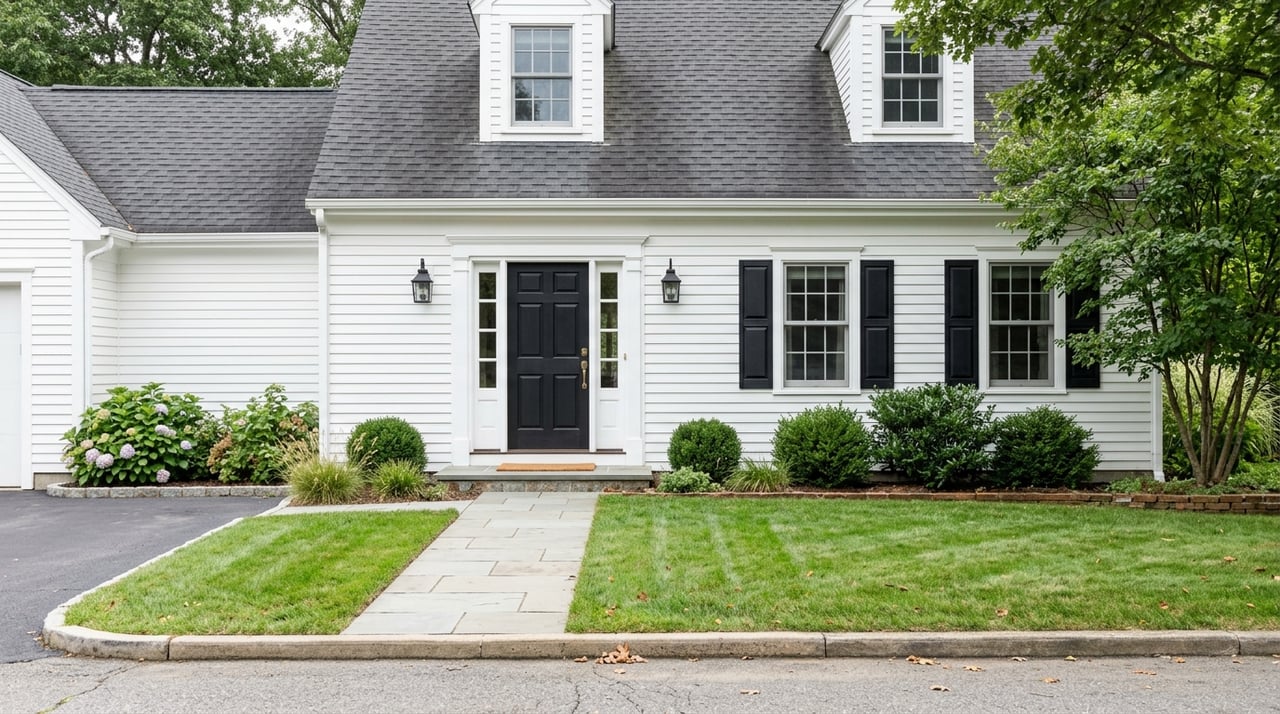
West Sayville Neighborhood Guide For Long Island Buyers
July 2, 2026
July 2, 2026
If you want a Long Island neighborhood with a true South Shore feel, West Sayville deserves a close look. For many buyers, the challenge is finding a place that balances everyday convenience with character, open space, and a setting that feels established. This guide will help you understand what West Sayville offers, who it may suit best, and what to watch for before you buy. Let’s dive in.
West Sayville is a small community in the Town of Islip in Suffolk County, not Nassau County. With about 4,800 residents across 1.9 square miles, it offers a more compact and settled feel than larger nearby areas.
That smaller footprint can appeal to buyers who want a residential setting with a clear local identity. West Sayville also has deep roots tied to fishing, boating, and farming, which still shape the area’s character today.
West Sayville has a strong waterfront influence. The community sits near the Great South Bay and includes creek, dock, and open-space access that give the area a coastal Long Island atmosphere.
You can also see that character in its historic landmarks. The William Greene Homestead, the former Isaac Green Estate at Brookside County Park, and the Leonard P. Beebe House at the Long Island Maritime Museum all point to a place with long-standing South Shore history.
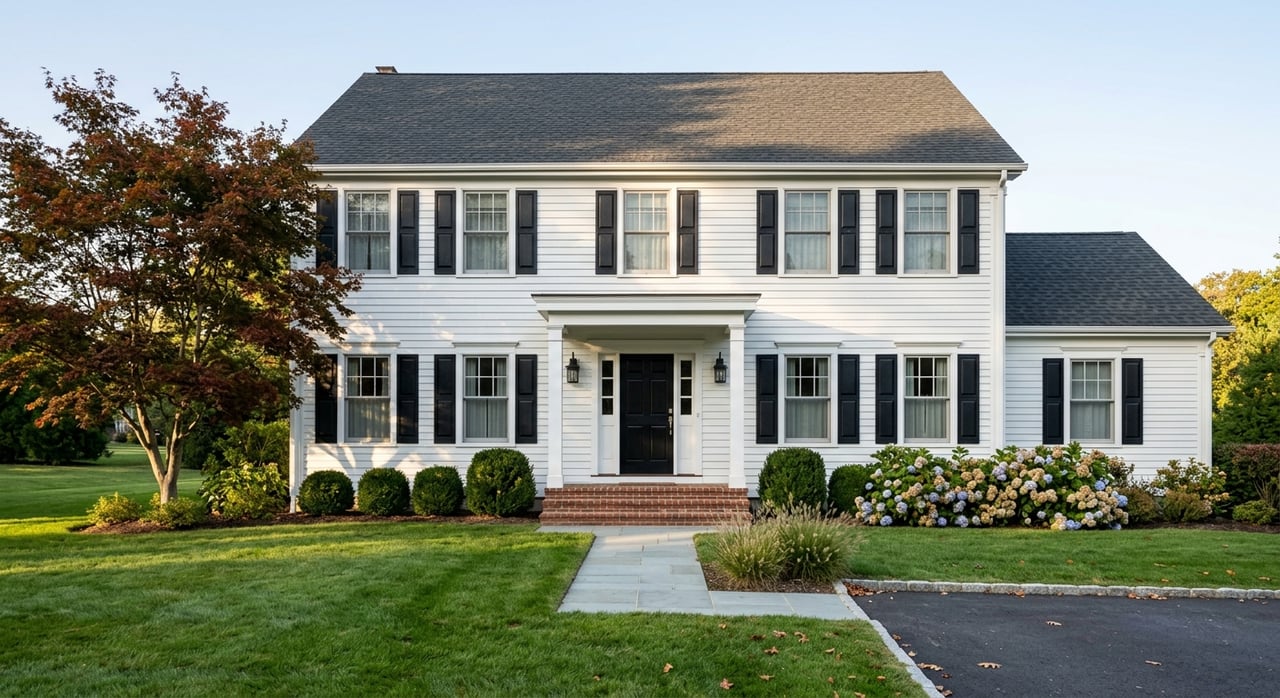
For buyers, that usually means West Sayville feels more established than newly built. If you are drawn to older homes, local history, and a neighborhood with visual character, this may be part of the appeal.
West Sayville has 2,067 housing units, and the median value of owner-occupied housing units is $583,200. That gives buyers a useful baseline when comparing West Sayville with other South Shore communities.
The housing environment appears to lean toward established residential stock rather than large new-subdivision development. Based on the documented historic inventory and the area’s waterfront history, buyers may find the most value here if they appreciate charm, location, and neighborhood feel as much as square footage.
This can be a fit for several buyer types:
For many Long Island buyers, commute options matter just as much as the home itself. West Sayville is served by the MTA Long Island Rail Road through the Sayville station on the Montauk Branch.
The station is accessible and includes ramps, tactile warning strips, audiovisual passenger information systems, a ticket machine, and a weekday waiting area. It is also in Zone 10, which is helpful to know as you budget for regular train travel.
By car, the main routes in and around the area include Sunrise Highway, Lakeland Avenue, and Montauk Highway. The mean travel time to work is 28.4 minutes, which is close to nearby Sayville’s 29.1 minutes and suggests a similar commuter pattern.
One of West Sayville’s biggest draws is how closely daily life can connect to the water. If you value outdoor access, this neighborhood offers several notable public spaces.
Greens Creek County Park is a passive waterfront park of roughly 4 acres on the Great South Bay. It includes a boardwalk, benches, and a small beach.
This kind of space can be especially appealing if you want peaceful water views and a place to enjoy the shoreline without leaving the neighborhood.
Brookside County Park sits on the former Isaac Green Estate and borders Green’s Creek. It also includes documented bird habitat, which adds to the natural character of the area.
For buyers who care about open space, this park helps reinforce West Sayville’s quieter, nature-connected feel.
West Avenue Dock adds another layer of waterfront access. The area includes dock and boardwalk access, crabbing, and boat-slip rentals.
That makes West Sayville especially interesting for buyers who enjoy boating or simply want to live near an active bayfront environment.
West Sayville Golf Course is another local amenity with bay and Fire Island views. Even if golf is not central to your lifestyle, the presence of a waterfront-facing course adds to the area’s overall setting and visual appeal.
West Sayville also benefits from proximity to Sayville Ferry Service on River Road. The ferry serves central Fire Island communities, which gives nearby homeowners an added seasonal recreation option.
For some buyers, this is more than a fun extra. It adds to the broader South Shore lifestyle that makes this part of Long Island so distinctive.
The Long Island Maritime Museum at 86 West Avenue is one of West Sayville’s most recognizable community assets. Its focus on Great South Bay history and baymen and oyster heritage helps preserve the area’s connection to the water.
The Sayville Unit in West Sayville also includes 102 acres managed for habitat restoration and rare species protection. Together, these features strengthen West Sayville’s identity as a place where natural resources and local history still matter.
West Sayville is part of the Sayville Union Free School District, which encompasses Sayville and West Sayville. According to the district, both the high school and Cherry Avenue Elementary are located in West Sayville.
For buyers, this is useful geographic context as you narrow your search. If school location or district boundaries are important to your move, you should confirm details directly for any specific address.
Not every Long Island neighborhood fits every buyer. West Sayville may be a strong match if you are looking for a community with these traits:
It may be especially appealing if lifestyle matters as much as logistics. Buyers who want both practical commuting options and a sense of place often respond well to communities like West Sayville.
The same waterfront character that makes West Sayville attractive also calls for extra due diligence. Because the area sits next to the bay and creek corridors, flood-risk research is an important part of the buying process.
This is especially relevant for homes near Great South Bay, Green’s Creek, West Avenue Dock, and other low-lying waterfront stretches. Before making an offer, you should verify each specific parcel through FEMA’s Flood Map Service Center, which FEMA identifies as the official public source for flood-hazard information.
That step can help you better understand possible insurance needs, long-term costs, and how a home’s location may affect your decision. In a waterfront-influenced community, that kind of homework is essential.
If West Sayville is on your shortlist, here are a few practical questions to ask as you compare homes:
These questions can help you move beyond surface-level impressions. They also make it easier to compare West Sayville with nearby South Shore options in a more informed way.
West Sayville offers a mix that can be hard to find in one place: commuter convenience, established housing, waterfront surroundings, and a strong local identity. Its smaller size and South Shore setting may be especially attractive if you want a neighborhood that feels rooted and distinctive.
At the same time, buying here means looking carefully at each property, especially when flood exposure may be a factor. With the right guidance and the right due diligence, West Sayville can be a compelling option for Long Island buyers who want both lifestyle and practicality.
If you are thinking about buying in West Sayville or comparing it with nearby South Shore communities, Annette Mina can help you make sense of the options with local insight and steady guidance.
Stay up to date on the latest real estate trends.
With decades of experience, trusted market expertise, and a client-first approach, Annette Mina is dedicated to your success every step of the way.